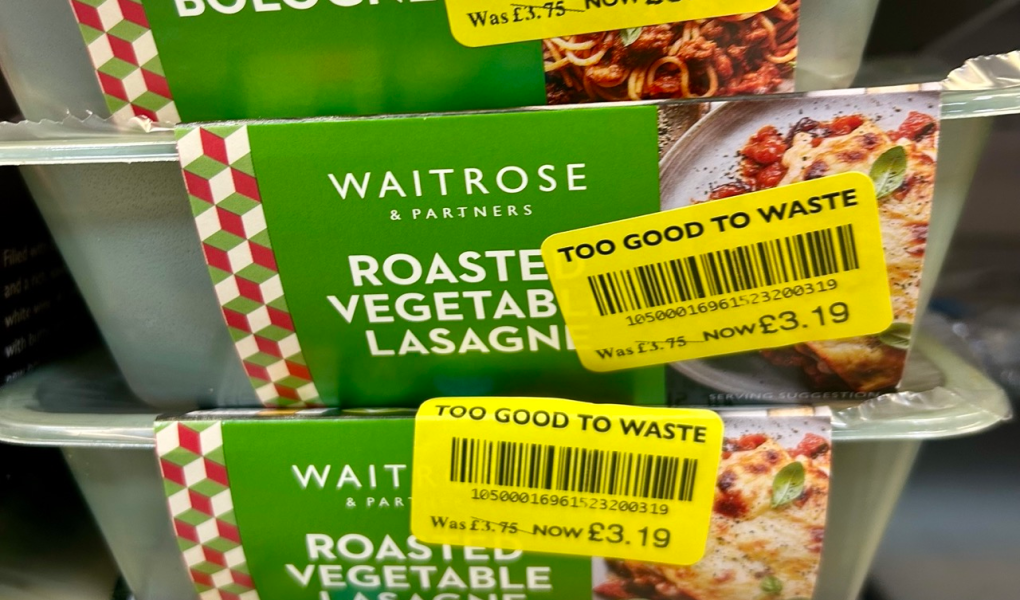
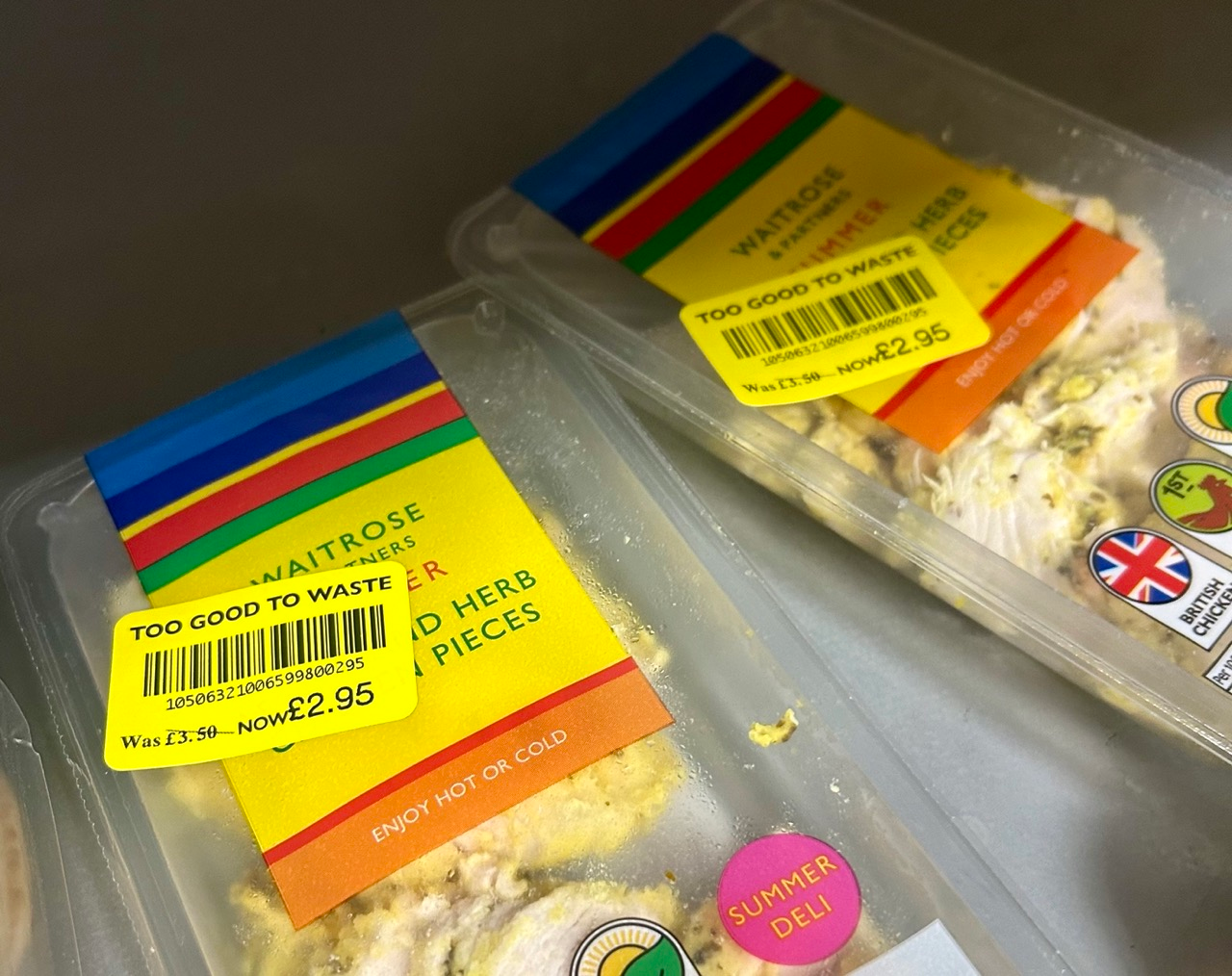
A few weeks ago, I started posting pictures of reduced price food on my instagram. Yellow stickers from a few different supermarkets, nothing out of the ordinary, or so I thought. It was the Waitrose ones that caused a stir. And honestly, I get it. Waitrose was never going to be the most representative example of where the average person does their weekly shop, but I still couldn’t quite get over what I was seeing. £7.79 for mac and cheese. £3.19 for a veggie ready meal. £4.05 for a single serving pie. These were the reduced prices.
It got me thinking about something I hadn’t given enough headspace to in a while: does buying reduced food actually help prevent waste? And what happens to the stuff that doesn’t sell?
The scale of the problem
I decided to do a little digging, and the numbers are genuinely staggering. UK households and businesses waste 9.5 million tonnes of food every year, 70% of which could have been eaten. The average UK household throws away a quarter of a tonne annually. Food waste costs the UK economy over £19 billion each year and contributes to 36 million tonnes of greenhouse gas emissions. And despite all the pledges and press releases, supermarkets still account for around 240,000 tonnes of food waste a year.
I’ve talked before about food waste before. It was something I felt really strongly about before our son came along, and if I’m honest, the chaos of raising a toddler meant I quietly let it slide. Reading those statistics back felt like a cold splash of water. Consider this my return to the topic.
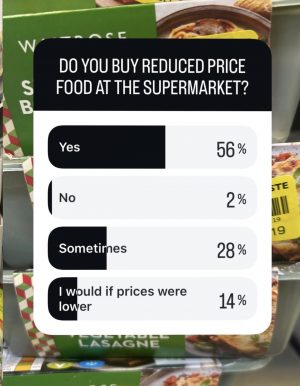
I also put some questions to my Instagram followers, and the responses were telling. Most people said they actively seek out yellow stickers, but a significant number said they’d walked away from reduced sections because the discounts still weren’t worth it. Which brings me to the crux of the issue.
What actually happens to unsold food?
We all know the drill. As food approaches its use-by date, supermarkets apply a yellow sticker and hope someone snaps it up. If it doesn’t sell, the options are broadly: donation to food banks or charities, composting or anaerobic digestion, or straight to waste, particularly for chilled and meat products. Some retailers are doing genuinely good work here. Morrisons partners with Too Good To Go, and many supermarkets work with FareShare. But even with those initiatives in place, the volume of food still going uneaten is hard to get your head around.
New regulations introduced earlier this year now require businesses to separate and report food waste, which should in theory increase accountability. Whether it translates into real change or just more polished sustainability reports remains to be seen.
So why aren’t the discounts bigger?
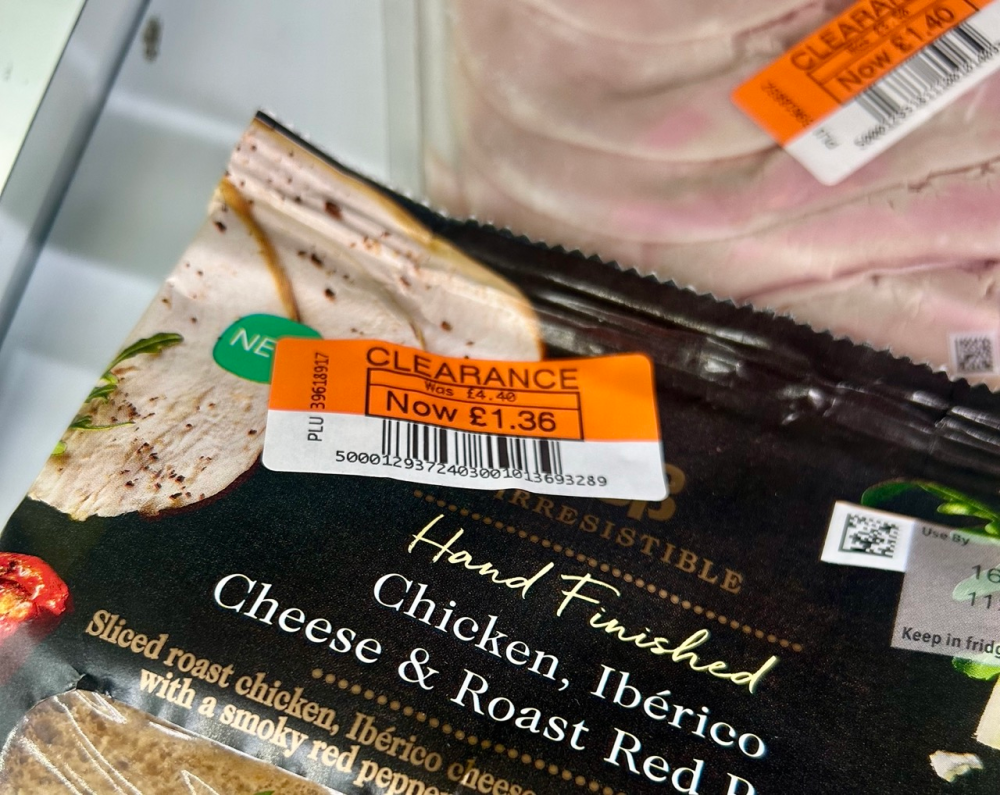
A 30% markdown on a sandwich with two hours left on the clock is not going to move many units. If supermarkets are serious about cutting waste rather than just being seen to try, there are straightforward things they could do: dynamic pricing that deepens discounts as expiry approaches, bulk deals on short-dated items, and making reduced sections easier to find rather than tucking them away near the back. Even a small sale is infinitely better than binning perfectly edible food.
Which brings us back to Waitrose. A retailer that has built its entire brand around quality and doing things properly ought to lead on this. A 10% markdown on a £5 limp salad is not a sustainability strategy. it’s a token gesture. The reduced price food section should exist to move food into people’s hands, not to tick a box.
For the rest of us, the yellow sticker habit is one of the easiest and most effective things we can do. It saves money, reduces waste and sends a clear signal that there is demand for this food at a fair price. The more of us that shop that way, the harder it becomes for supermarkets to argue that big discounts aren’t worth their while. If the food is going to be thrown away anyway, everyone loses. A lower price is always the better option.


A good piece of writing on a serious issue. Thank you for posting this.
Thanks for reading Snigda! This isn’t the whole story by any means, I’d like to find time to dig a little deeper!